
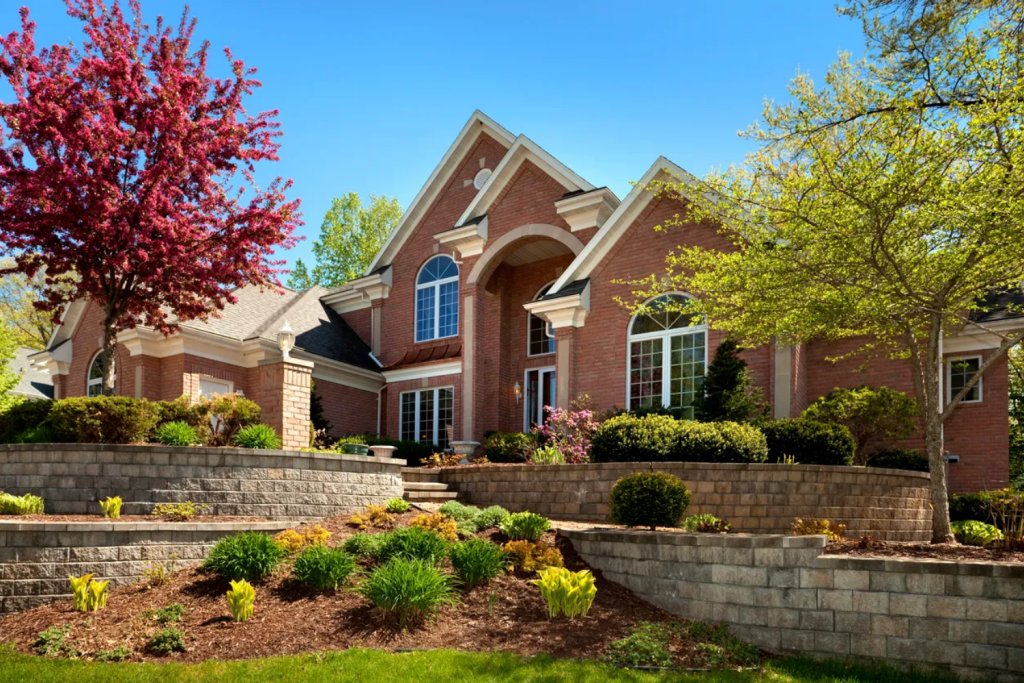
A front yard project doesn’t have to be complicated to make a real difference.
Sometimes it starts with a simple idea. Maybe you want to add a garden bed along the walkway, or swap out a section of lawn for something that needs less looking after. Maybe you’ve been pinning ideas for a while, and you’re finally ready to get going. Whatever brought you here, you’re in the right place.
These front yard landscaping ideas are put together for homeowners in Barrie and Innisfil who want their yards to feel good, look welcoming, and hold up through Ontario seasons. We’ll cover how to plan your layout, which materials work well for each part of the yard, and how to keep things manageable so the finished result actually stays that way.
No matter how big or small your space is, there’s something here worth trying.
How to Plan Your Front Yard Landscaping
Before you buy a single bag of mulch or pull up any sod, spend ten minutes thinking through a few basics. A little planning at the start saves you from fixing things later.
Start With the Walkway and Entry
The walkway is the spine of your front yard design. Everything else builds around it. Width matters more than most people expect. A walkway that’s at least four feet wide feels open and easy to move through, and a wider path naturally draws the eye toward the front door in a welcoming way.
Choose a Front Yard Layout
There are a few ways to approach the layout:
- Symmetrical, with matching garden beds or plantings on either side of the entry.
- Asymmetrical, which feels more natural and works especially well on irregular lots.
- A mix of lawn and garden bed sections divided by stone or mulch edging.
- A mostly hardscape design if you want to minimize maintenance entirely.
Take a good look at your house before deciding. A layout that feels like it belongs with the style and scale of your home is always going to look better than something that fights against it.
Decide Between Lawn, Garden, or Stone
This is the big decision. A traditional lawn is classic but needs consistent watering, mowing, and overseeding to stay green. Garden beds give you colour and texture but need weeding and seasonal replanting. Stone and gravel look sharp, hold up in all weather, and need almost nothing from you after they’re in. A lot of front yards in Innisfil and Barrie are moving toward a mix, keeping a small patch of lawn up front and replacing the rest with mulch beds or stone.
Plan Your Landscaping Materials
Once you know what you want, think about materials. Soil goes in garden beds. Mulch tops the beds and borders. Stone handles walkways, edging, and ground cover in low-traffic areas. Calculating how much you need ahead of time means you’re not guessing at the garden centre. A cubic yard covers about 100 square feet at a 3-inch depth, which is a useful rule of thumb for mulch and topsoil.
Front Yard Landscaping Ideas That Improve Curb Appeal
We know exactly what you came here for, and honestly? These ideas will get your curb better than ever in no time.
Garden Bed
A well-shaped garden bed instantly makes a front yard look cared for. Curved edges feel more organic and natural. Straight edges feel clean and modern. The shape you choose should match the overall vibe you’re going for.
Front Walkway
The walkway area is one of the best places to make a strong visual impression. Natural stone pavers with low ground cover planted between them look incredibly polished. Even just adding a defined stone or brick edging along an existing concrete path changes the whole feel of the yard.
Stone and Gravel
River rock and decorative stone are having a real moment right now, and for good reason. Front yard stone landscaping ideas work particularly well in smaller yards because stone creates clean boundaries, doesn’t grow, and doesn’t fade. Lighter stones like white marble chips make a yard feel bright. Darker stones like charcoal granite read as more contemporary and sophisticated.
Mulch
Mulch is one of the most underrated front yard upgrades. A fresh layer of dark wood mulch around your plants and along the edges of your beds makes everything look instantly more put-together. It also helps retain moisture in the soil, which is especially useful during dry stretches in the summer.
Front yard mulch ideas work best when the mulch depth is around three inches. Too thin and it doesn’t hold, too thick and it can trap moisture against plant stems. Dark brown and black mulches are the most popular for front yards because the contrast against green plants looks great and holds its colour longer than lighter options.
Small Front Yard
A smaller front yard is a great place to put thoughtful detail to work. Every element gets noticed, which means a little goes a long way. Small front yard landscaping ideas that work well include replacing a portion of the lawn with a mix of mulch and stone, adding a single focal point like a small ornamental tree or a grouping of larger stones, and keeping the walkway as wide as the space allows to make things feel open and easy.
Low Maintenance Front Yard Landscaping Ideas
A beautiful front yard and a busy schedule can absolutely go together. The key is choosing materials and plants upfront that do the work for you once they’re in.
Stone and Gravel Landscaping
Stone ground cover is about as low maintenance as it gets. Once it’s in, it stays. It doesn’t need watering, fertilizing, or replacing every season. It handles foot traffic and heavy rain without washing away. For front yard curb appeal ideas that prioritize longevity, stone is usually the starting point.
Mulch Garden Beds
A mulched garden bed with a few hardy perennials is about as low-effort as a planted front yard gets. The mulch suppresses weeds, so you’re not out there pulling every week. The perennials come back each year on their own. You top up the mulch every spring and call it done.
Native Plants and Simple Layouts
Native Ontario plants are adapted to our climate, which means they don’t need extra watering or fertilizing once they’re established. Coneflowers, wild columbine, and native grasses are all solid choices for front yard garden ideas that practically take care of themselves.
Reduce Lawn Areas
Lawn is, by far, the highest-maintenance element in most front yards. Every square foot of grass you replace with mulch, stone, or a garden bed is one less area to mow, water, and fertilize. Even reducing the lawn by 30 to 40 percent makes a noticeable difference in the time you spend on yard work each week.
Hardscape vs Softscape in Front Yard Landscaping
These two terms get tossed around a lot. Here’s what they actually mean and why balancing them matters.
Hardscape Ideas Using Stone and Walkways
Hardscape covers everything that’s built or non-living in your yard. Walkways, driveways, retaining walls, stone edging, and gravel beds all fall here. Hardscape provides the structure and bones of a yard. It’s what makes a yard look intentional even in the middle of winter when there’s nothing growing.
Softscape Ideas Using Plants and Mulch
Softscape is everything living. Grass, garden beds, shrubs, trees, and the mulch that supports them. Softscape brings warmth, colour, and texture to a yard. It changes with the seasons, which keeps things interesting.
Front yard garden landscaping ideas rely on softscape to create that lush, inviting feeling that stone alone can’t always deliver.
How to Balance Hardscape and Softscape
A mostly hardscape yard has a clean, structured look year-round. A mostly softscape yard feels lush and full of life. The goal is to use hardscape to define spaces and softscape to fill them with warmth, so neither element is working harder than it needs to.
A common approach: use stone or interlocking for the walkway and any borders, plant garden beds within those borders, and mulch heavily to tie it all together. That gives you structure from the hardscape and warmth from the softscape without overdoing either one.
Choosing the Right Materials for Front Yard Landscaping
Picking the right front yard landscaping materials makes or breaks the finished look. Here’s what to know before you order.
Soil for Garden Beds and Plants
Good soil is the foundation of any planted area. Kell’s offers two standout options for front yard projects. Nature’s Blend is a mix of black peat loam, compost, and a touch of mineral soil, making it slightly heavier and ideal for over-seeding or filling in low areas of a lawn. Premium TopDressing Mix combines peat loam with specialty sand at a precise ratio, designed to improve soil quality over time by working down to the soil level.
Mulch for Front Yard Landscaping
Mulch does more than look good. It regulates soil temperature, retains moisture, and breaks down over time to add organic matter back into the soil. For front yard use, dark wood mulch tends to be the most popular choice because it reads as clean and finished, and it holds up well through the season.
Stone for Walkways and Borders
Stone is one of the most versatile front yard landscaping materials. It works for walkways, borders, ground cover, and decorative accents. Mar-co stone, river rock, and natural stone pavers are all available at Kell’s and each serves a different purpose. Smaller stones work well for infill and ground cover. Larger natural stone is better for statement pieces and borders.
How Much Material You Need
This is where a lot of people get stuck. The simplest approach: measure the length and width of the area you’re covering in feet, multiply them together for your square footage, then divide by 100 to get the approximate number of cubic yards you need at a 3-inch depth.
Kell’s Super Sacks hold one full cubic yard of material each. That’s 27 cubic feet per bag, packed in a heavy-duty polypropylene bag with a spout bottom for easy release and a duffle top to keep everything dry between uses. No mess, no waste, no bags to lug around the yard.
Front Yard Landscaping Ideas for Barrie and Innisfil Homes
Front yard landscaping in Innisfil and front yard landscaping in Barrie share some common challenges. Our winters are real, the frost-thaw cycle is rough on certain materials, and the clay-heavy soil in many areas of Simcoe County doesn’t drain the way lighter soils do.
A few things that consistently work well in this region:
- Interlocking stone and natural stone for walkways, because they handle frost movement better than poured concrete.
- Screened topsoil blended with compost, which helps break up heavier clay soil and improve drainage in garden beds.
- Dark mulch topped up annually every spring, right before the growing season kicks in.
- Native and zone-hardy plants that don’t struggle through our cold winters or unpredictable springs.
If you’re sourcing materials locally, Kell’s Garden City on 10th Line in Innisfil Beach carries everything you’d need for a full front yard project. Soil blends, mulch, stone and aggregates, sod, and more, all available in Super Sacks for easy delivery and use. You can get exactly what you need without paying for more than your project requires.
FAQs About Front Yard Landscaping
What is the best landscaping for a front yard?
It depends on your goals, but a mix of defined garden beds, a clean walkway, and some combination of mulch and stone tends to give the best results for curb appeal.
What is low maintenance front yard landscaping?
Low maintenance landscaping typically replaces high-effort elements like lawn with mulch beds, stone ground cover, or native plantings that don’t need regular watering or fertilizing. The goal is a yard that looks intentional and clean without demanding weekly attention.
Should I use mulch or stone in the front yard?
Both have their place. Mulch is better around plants and in garden beds because it supports plant health. Stone works better in areas where you want permanent ground cover with zero upkeep, like along a driveway, in a border strip, or in areas where plants won’t grow well.
How do I improve front yard curb appeal?
Start with the walkway. A clean, clearly defined path to the front door makes a big immediate difference. Add fresh mulch to any existing garden beds, define the edges with stone or edging, and remove anything overgrown or out of place.