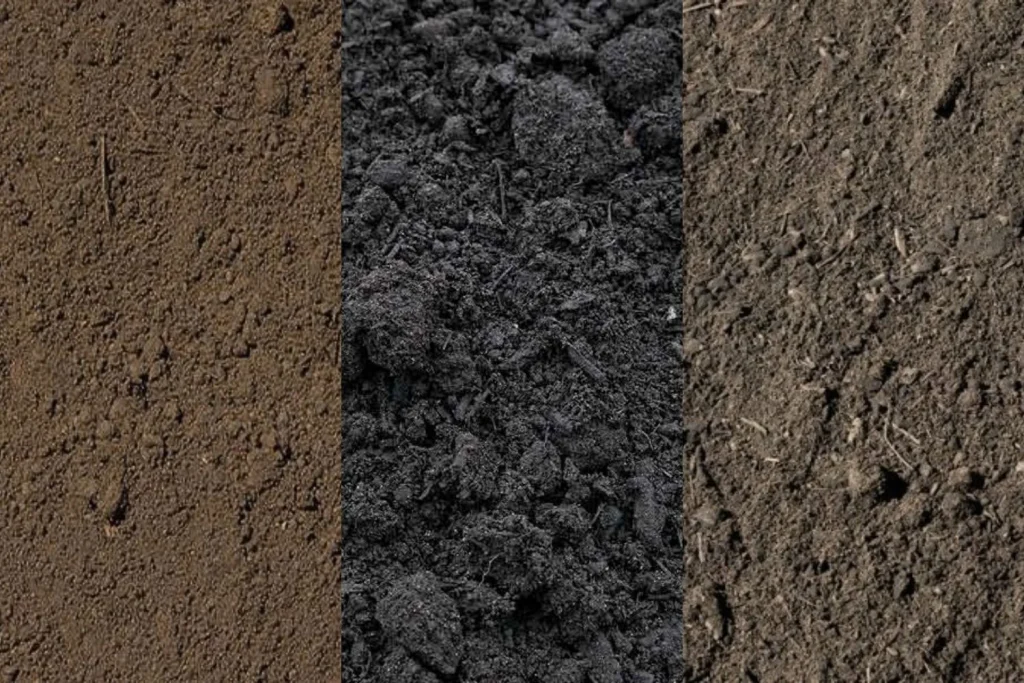
Buying soil sounds simple until you are standing in front of three options that all look… brown.
Topsoil. Triple mix. Garden mix.
They sit side by side. They all promise growth. They all seem like they should do the same job. And yet, choosing the wrong one can quietly set a project back weeks or even months.
Plants struggle. Grass grows patchy. Gardens look tired even though you did everything “right.”
The truth is that soil choice matters more than most people expect. Especially in Ontario, where weather, drainage, and seasonal swings play a huge role in how soil behaves.
Why Choosing the Right Soil Matters
Soil is more than filler. It is the foundation of every landscaping and gardening project.
Good soil supports roots, holds moisture, drains excess water, and delivers nutrients at the right pace. Poor soil does the opposite. It compacts. It dries out too fast. It holds water for too long. It makes plants work harder than they should.
In Ontario, soil choice becomes even more important. Freeze and thaw cycles, heavy spring moisture, and hot summer stretches all put pressure on what sits below the surface.
Using the right soil means:
- Healthier plants with less effort
- Better drainage during wet seasons
- Stronger root systems
- Fewer do-overs next year
Using the wrong soil usually means starting again.
What Is Topsoil?
Topsoil is exactly what it sounds like. It is the upper layer of soil that sits beneath grass and plants in natural landscapes.
Topsoil is commonly used as a base material. It provides structure and bulk rather than rich nutrients.
In simple terms, topsoil is there to fill, level, and support.
Common characteristics of topsoil:
- Heavier texture
- Lower nutrient content than blended soils
- Holds shape well once compacted
- Provides a natural growing base
Topsoil is often used for:
- Lawn installation and repair
- Filling low spots in yards
- Grading and leveling projects
- Base layers under sod
When people compare garden mix vs topsoil, this is usually where confusion starts. Topsoil supports growth, but it does not actively feed plants the way blended soils do.
Topsoil works best when grass or plants will be added on top, not when it is expected to carry the full growing job on its own.
What Is Triple Mix?
Triple mix soil is a blended growing medium designed to support active plant growth.
It typically combines three components:
- Topsoil for structure
- Compost for nutrients
- Peat or similar organic matter for moisture retention
The result is a lighter, richer soil that plants love to grow in.
Triple mix soil is commonly used in:
- Garden beds
- Flower beds
- Shrub and tree planting
- Raised gardens
When people ask about topsoil vs triple mix, the key difference is purpose. Triple mix is meant to grow things. Topsoil is meant to support things.
Triple mix drains better than straight topsoil while still holding enough moisture for roots. It also delivers nutrients more evenly, which helps plants establish faster.
In Ontario gardens, triple mix is often chosen because it balances moisture during wet springs and dry summer stretches.
What Is Garden Mix?
Garden mix sits somewhere between topsoil and triple mix.
If you are wondering what is garden mix soil, think of it as a general-purpose blend made for garden spaces that need better growing conditions than plain topsoil but do not require the richness of triple mix.
Garden mix usually contains:
- Screened soil
- Organic matter such as compost
- Materials that improve drainage and texture
Garden mix works well for:
- Vegetable gardens
- Annual flower beds
- Light planting areas
- General garden refreshes
When comparing garden mix vs topsoil, garden mix offers more nutrients and better texture. When comparing it to triple mix, garden mix is usually a bit heavier and slightly less rich.
This makes garden mix a solid choice for everyday garden projects where balance matters.
Topsoil vs Triple Mix vs Garden Mix: Side-by-Side Comparison
Here is a simple way to think about the differences.
Topsoil:
- Best for leveling and lawn bases
- Lower nutrient content
- Heavier and more compact
Triple mix:
- Best for planting beds and trees
- Rich in organic matter
- Lighter and more active for roots
Garden mix:
- Best for general garden use
- Balanced nutrients and structure
- Versatile for many projects
All three have a place. None of them are interchangeable without consequences.
Which Soil Should You Use for Common Projects?
Choosing soil becomes much easier when you start with the project, not the product.
Here are common uses and the soil that fits best.
Lawn installation or repair:
- Topsoil
Garden beds and planting areas:
- Garden mix or triple mix
Vegetable gardens:
- Garden mix
Tree and shrub planting:
- Triple mix soil
Leveling uneven ground:
- Topsoil
Landscaping projects with planting involved:
- A combination, depending on depth and use
This is where understanding best soil for gardens really matters. Rich soil belongs where roots need food. Structural soil belongs where shape and support matter more.
Can You Mix These Soils Together?
Yes, mixing soils can make sense in the right situation.
When Mixing Makes Sense
Mixing works well when you want to improve existing soil without replacing everything.
Examples include:
- Refreshing older garden beds
- Improving drainage in heavy soil
- Preparing large planting areas
Ratios to Consider
A common approach is blending topsoil with garden mix or triple mix to stretch nutrients while maintaining structure.
For example:
- Two parts topsoil to one part garden mix
- One part topsoil to one part triple mix for planting zones
Projects Where Mixing Should Be Avoided
Avoid mixing when installing sod or working with areas that require consistent soil depth and compaction.
Using blended soil under lawns can lead to uneven settling and patchy growth.
How Much Soil Do You Need?
This is where many projects go off track.
Underestimating soil means stopping mid-project. Overestimating means extra material with nowhere to go.
As a rough guide:
- One cubic yard covers about 100 square feet at three inches deep
Depth matters. Gardens usually need more depth than lawns. Raised beds need even more.
For larger projects, bulk ordering makes planning easier and more cost-effective.
Choosing Quality Soil From an Innisfil Supplier
Not all soil is created equal. Freshness, screening, and consistency matter.
Quality soil should:
- Be free of debris
- Have consistent texture
- Drain properly
- Match the project it is intended for
Working with a local bulk soil supplier helps ensure soil is suited to regional conditions. Landscaping soil Ontario projects depend on needs to handle local weather patterns.
For homeowners and contractors looking for soil delivery Innisfil, buying locally also means easier logistics and fewer surprises.
Soil Choice Does Not Need To Feel Overwhelming
Topsoil supports structure. Triple mix feeds growth. Garden mix balances the two.
Understanding the differences between topsoil vs triple mix vs garden mix helps projects succeed from the ground up. It saves time, money, and frustration. It also leads to healthier gardens and cleaner landscapes.
Start with the project. Match the soil to the job. Everything grows better from there.
FAQ
Is triple mix better than topsoil?
It depends on the project. Triple mix is better for planting and growth. Topsoil is better for structure and leveling.
Can I use garden mix for grass?
Garden mix is usually too rich for lawns on its own. Topsoil works better under sod or seed.
What soil is best for vegetable gardens?
Garden mix is a popular choice because it balances nutrients and drainage.
Is bulk soil better than bagged soil?
Bulk soil is often fresher, more consistent, and better suited for larger landscaping projects.