
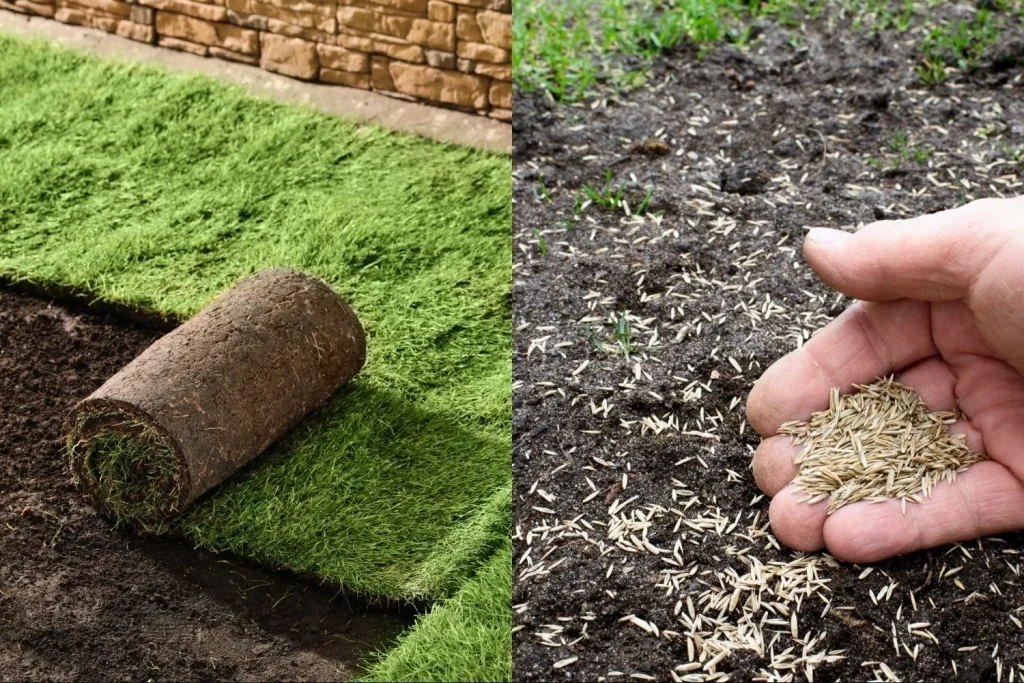
A new lawn always begins the same way. Bare soil under your feet. A few weeds trying their luck. That moment where you imagine what this space could feel like by summer. Cooler. Greener. Softer under bare feet.
Then the question shows up.
Fresh sod vs seed.
It sounds simple until you realize how much Ontario weather controls the outcome. Short seasons. Wet springs. Sudden heat. Early frost. The choice you make at the start shapes how your lawn looks, how it feels, and how much work it asks of you later.
Why the Sod vs Seed Decision Matters in Ontario
Ontario lawns live on a tight schedule, which is why it need the best gardening supplies STAT.
Spring arrives late and leaves early. Summer heat can arrive fast. Rain comes in bursts instead of steady stretches. These conditions reward preparation and punish shortcuts.
The decision between laying sod vs seeding lawn projects matters because early mistakes are hard to undo. Grass that struggles to establish rarely catches up without intervention.
A strong start creates:
- Deeper roots that hold moisture
- Fewer weeds filling empty space
- Better color through heat and stress
- Less patching later in the season
A weak start creates frustration. Bare spots. Re-seeding. Extra watering. A sense that something never quite worked.
Choosing the right approach from the beginning saves time, money, and effort across the season.
What Is Fresh Sod?
Fresh sod is mature grass grown elsewhere, harvested with its roots intact, and delivered in rolls or squares. When installed properly, it creates an instant lawn that looks finished the same day.
In sod installation Ontario, freshness matters. Sod is alive. It needs to be laid soon after harvest so roots reconnect with the soil below.
When you unroll fresh sod, you notice the details right away. Dense blades. A faint earthy smell. Moist soil held together by fine roots.
Where fresh sod shines
- Immediate coverage with no waiting period
- Reduced erosion on slopes and open areas
- Fewer weeds during early establishment
- Reliable results in short growing windows
Fresh sod works especially well when time is limited. New builds. Property turnovers. Seasonal deadlines that do not move for weather.
What sod asks from you
- Proper soil preparation before installation
- Consistent watering during the first few weeks
- Gentle use until roots take hold
Sod does not eliminate maintenance. It shortens the path to a usable lawn and reduces early uncertainty.
What Is Grass Seed?
Grass seed is the slower path. It relies on timing, patience, and consistent care.
With grass seed Ontario lawns, success depends on choosing the right seed blend and planting at the right moment. Cool season grasses handle Ontario winters better and recover faster in spring.
Seeding feels quiet at first. Soil raked smooth. Seed scattered evenly. A light covering of soil. The waiting begins.
Where grass seed works best
- Large areas where cost matters
- Gradual lawn improvement
- Filling in thin or damaged sections
- Projects with flexible timelines
Seeding allows more control over grass type and density. It also allows small adjustments during the season.
What seed requires
- Careful soil preparation
- Consistent moisture during germination
- Protection from foot traffic early on
Seed rewards attention. It responds quickly to neglect.
Fresh Sod vs Seed: Side by Side Comparison
Looking at fresh sod vs seed side by side makes the differences clearer.
| Feature | Fresh Sod | Grass Seed |
| Results speed | Immediate coverage | Gradual growth over weeks |
| Upfront cost | Higher | Lower |
| Early weed control | Strong | Weaker at first |
| Water needs | High at the start | Steady and ongoing |
| Foot traffic | Limited early | Very limited early |
| Best use cases | Fast results, slopes, visible areas | Large spaces, budget projects |
| Risk from weather | Lower | Higher |
Neither option is universally better. Each one fits certain situations better than others.
Best Option Based on Your Lawn Goals
Your lawn goal matters more than trends.
If your goal is a finished look quickly, sod makes sense. It delivers visual confidence fast and handles unpredictable weather better.
If your goal is long term improvement with a lower upfront cost, seed often fits better. It takes longer but adapts well when given time.
For high visibility areas, sod reduces stress. For backyards and open spaces, seed often feels worth the wait.
Thinking clearly about your goal avoids disappointment later.
Timing: When to Lay Sod or Seed in Ontario
Timing decides success more than almost any other factor.
When to lay sod Ontario
- Late spring through early fall
- Avoid extreme heat when possible
- Avoid frozen or waterlogged soil
Sod can be laid later than seed because roots already exist. It still needs time to establish before frost.
Best time to seed
- Late summer into early fall
- Early spring with close attention to moisture
Fall seeding benefits from warm soil and cooler air. Weed pressure drops. Roots establish before winter dormancy.
Spring seeding works but requires vigilance. Dry spells and weeds compete aggressively.
Maintenance Differences After Installation
The first few weeks define the lawn’s future.
Watering schedules
Sod needs frequent, shallow watering at first. The goal is keeping the soil beneath moist without flooding.
Seed needs light, frequent watering to keep the surface damp. Drying out during germination causes patchy growth.
Mowing timelines
Sod can usually be mowed once roots hold and grass reaches height. This often happens within a few weeks.
Seed should not be mowed until grass reaches recommended height and roots anchor firmly.
Fertilization
Sod often arrives with nutrients already present. Fertilization comes later.
Seed benefits from starter fertilizer during establishment. Timing matters. Overfeeding causes stress.
Soil Preparation for Sod vs Seed
Soil preparation sets the foundation.
For sod:
- Remove debris and old roots
- Level the surface carefully
- Loosen the top layer for root contact
For seed:
- Break up compacted soil
- Rake smooth without crusting
- Create light texture for seed contact
Good soil feels crumbly and smells earthy. Poor soil feels hard and lifeless.
Cost Considerations for Ontario Homeowners
Sod costs more upfront. It often saves labor time and reduces rework.
Seed costs less initially. It may require more watering, weed control, and patience.
Think about total effort across the season. Not just the receipt.
Common Mistakes to Avoid
Laying sod too late in the season
Roots need time. Late installs struggle before frost.
Seeding without soil prep
Seed cannot fix poor soil on its own.
Underwatering new sod
Dry sod fails quietly. Damage appears later.
Using the wrong seed mix
Local grass varieties handle Ontario conditions better.
Find The Perfect Fit For Your Needs
A healthy lawn starts with an honest assessment of your time, your space, and your expectations.
Fresh sod vs seed is not about right or wrong. It is about fit.
Ontario rewards preparation. It rewards timing. It rewards realistic goals.
If you are planning a lawn project this season, take a moment to feel your soil, watch the forecast, and think about how you want your lawn to live through summer and winter. The right choice often becomes clear when you slow down enough to listen.
Quiet guidance from people who understand local conditions can make that choice easier.
FAQ
How long does sod take to root?
Most sod begins rooting within two to three weeks with proper watering.
When is the best time to seed a lawn in Ontario?
Late summer into early fall offers the best balance of soil warmth and reduced weed pressure.
Can I lay sod over existing grass?
Existing grass should be removed. Roots need direct soil contact.
How much watering does new sod need?
Daily watering at first. Gradually reduce as roots establish.