
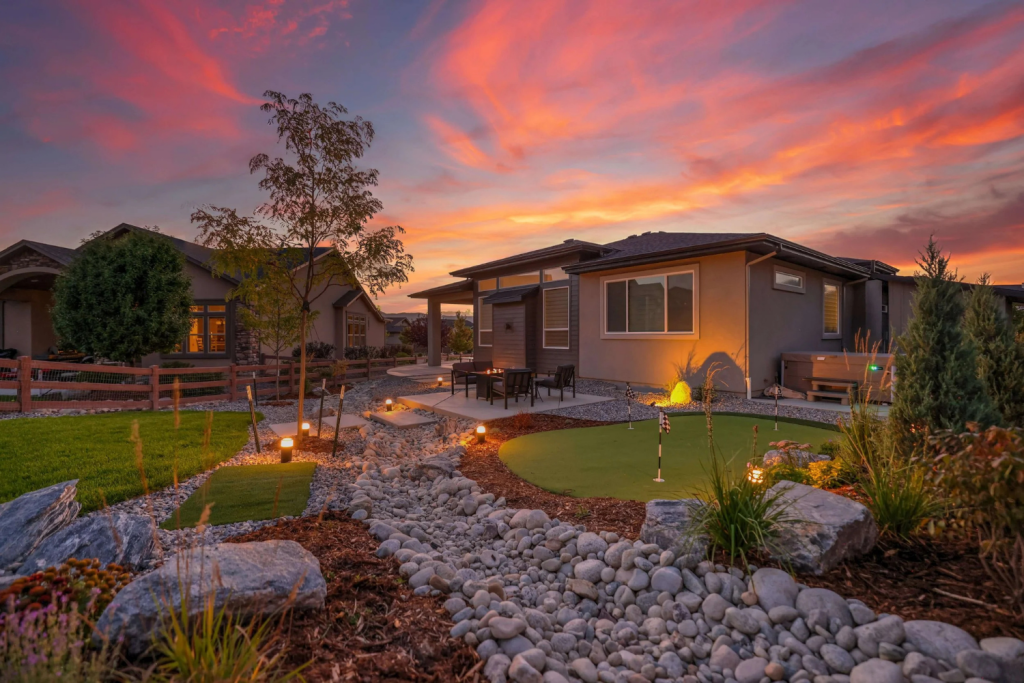
Spring hits Innisfil and Barrie differently when you have a backyard worth sitting in.
That patch of grass you’ve been ignoring since last October? It’s closer to something beautiful than you think. Most backyard landscaping ideas look complicated in photos, but they almost always come down to the same few things: decent soil, the right mulch, and stone placed with some intention.
Get those three right and the rest of the project practically organizes itself.
This isn’t about pressure washing your pavers and calling it a renovation. It’s about building a backyard that actually works for the way you live in it, with materials that hold up through a Canadian winter and still look good in June.
Plan First, Dig Later
Jumping straight into buying materials is tempting. Planning feels slow. But backyards that end up half-finished, or worse, re-done two seasons later, usually skipped this step.
The good news is that planning a backyard doesn’t require graph paper or a landscape architect. It just requires a few honest questions answered before you spend anything.
How Do You Use Your Backyard?
Start with what you want out of the space, not what looks good on Pinterest. A backyard built for entertaining needs different hardscape and seating than one built for growing vegetables or letting kids run around.
Think about:
- Morning coffee spots with some shade
- A space for the BBQ and somewhere for people to actually stand near it
- Garden beds if you grow anything, or want to
- A play area, a dog run, or just open lawn
Knowing your priorities keeps you from building a big stone patio when what you actually needed was a garden bed and a simple pathway to reach it.
Zone It Out
Once you know how you use the space, divide the backyard into loose zones. A cooking and dining zone near the house. A planting zone along the fence or border. A lawn zone in the middle if you need open grass. A utility zone near the shed or hose.
Pick a Style That Makes Sense for Your House
Backyard landscaping ideas that look stunning online sometimes clash with the house they’re attached to. A sleek modern gravel garden looks off next to a century cottage. Wildflower beds and curved paths look out of place next to a boxy new build in Innisfil.
Figure Out Your Budget and Material List
Budgeting for backyard landscaping starts with materials, not labour. Soil, mulch, stone, and aggregates are the baseline of almost every project. Once you know what you need and roughly how much, the rest of the budget builds around that number.
Backyard Landscaping Ideas Worth Actually Building
Good backyard landscaping ideas earn their place by being functional, not just photogenic. These are the ones that consistently deliver.
The following ideas aren’t a ranked list. They’re building blocks. Most finished backyards pull from two or three of them at the same time.
Garden Beds
A well-built garden bed transforms the perimeter of a backyard from unused fringe to the most interesting part of the yard. Raised beds add structure and make growing food or flowers genuinely manageable. In-ground beds along fences or walls soften hard edges and give the backyard a layered, finished look.
The soil you fill them with matters more than the plants you put in them. Garden beds need soil with good drainage, enough organic matter to feed roots, and a fine enough texture to work with easily. Kell’s Nature’s Blend works well for filling raised beds or topping up existing ones, and their Premium TopDressing Mix is worth knowing about if you’re working with compacted or depleted soil underneath.
Stone and Gravel Areas
Stone is the backbone of backyard hardscape ideas that age well. It doesn’t rot, doesn’t need annual replacement, and looks better the longer it sits.
Gravel and crushed stone work beautifully as ground cover in areas where grass won’t grow, under trees with heavy shade, along fence lines, or as infill between stepping stones. River rock and decorative pebbles add visual texture in areas you want to stand out. Larger flat stones or pavers anchor seating areas and define spaces without needing a contractor.
Mulch
Mulch is the most underused material in backyard landscaping and probably the fastest visual upgrade per dollar spent.
A fresh layer of dark mulch around existing trees, along fences, or in garden beds makes a yard look intentional immediately. Beyond the looks, mulch suppresses weeds, holds moisture in through dry stretches, and breaks down slowly to improve the soil underneath.
Patio and Seating Areas
A defined seating area anchors the backyard. It doesn’t have to be large or expensive. What it needs is a solid, level base and a material that holds up.
Interlock pavers are a popular choice for backyards in Barrie and Innisfil because they handle freeze-thaw cycles well and can be adjusted if settling happens. Natural stone patios look more organic and tend to age beautifully.
Pathways and Walkways
A pathway does something subtle but important. It tells the backyard where to be walked on and where not to be. That definition makes the whole space feel more organized without adding visual clutter.
Hardscape and Softscape — Getting the Balance Right
These two words get thrown around a lot in landscaping content. They’re worth understanding because getting the ratio between them wrong is the most common reason backyards feel either cold and hard or overgrown and undefined.
Hardscape Ideas Using Stone and Pavers
Hardscape is everything that doesn’t grow. Stone patios, gravel paths, interlock, retaining walls, raised bed frames, and edging all count. Good hardscape gives a backyard structure and makes it usable in a practical sense: somewhere to put chairs, somewhere to walk without getting muddy, somewhere that defines where the softscape begins.
Backyard stone landscaping ideas that tend to hold up over time include:
- Flagstone paths through planting areas
- Interlock patio with a gravel or sand base
- River rock drainage channels along low spots
- Crushed stone mulch alternatives in dry garden areas
- Retaining walls with natural or stacked stone
Softscape Ideas Using Plants, Soil, and Mulch
Softscape is everything living. Plants, grass, ground cover, and the soil and mulch that support them. Softscape is what gives a backyard warmth, colour, and the sense that it’s alive.
Backyard softscape ideas that work well in Ontario’s climate include perennial plants that come back each year without replanting, ornamental grasses that add texture and movement, and ground covers that fill in spaces between stones or under trees where grass won’t compete.
Finding the Balance
A useful starting point: think of hardscape as the bones and softscape as everything that softens them.
A backyard with too much hardscape feels like a parking lot. Too much softscape with no definition feels unfinished and high-maintenance. The right balance depends on how much time you want to spend maintaining things, how you use the space, and what the backyard actually looks like.
A rough guide: if your backyard feels messy, add structure with hardscape. If it feels cold or uninviting, add plants, mulch, and garden beds.
Choosing the Right Landscaping Materials
The backyard landscaping ideas you choose only hold up as well as the materials underneath them. Picking the right ones from the start saves a lot of correcting later.
Here’s how to think about each category.
Soil for Garden Beds and Lawns
Not all soil does the same job. Garden beds need something with organic matter and good texture. Lawns being overseeded or leveled need something closer to a blend that incorporates into existing ground. Heavily compacted areas or sunken spots need fill that will stay put and support growth over time.
Kell’s carries a few different options worth knowing: Nature’s Blend for lawn leveling and overseeding, Premium TopDressing Mix for building soil quality over time, and screened topsoil that’s been cleaned of rocks, sticks, and debris before it gets to you.
Mulch for Weed Control and Moisture
Mulch has one job in the short term and a different one over time. Short term: suppress weeds and hold moisture in. Over time: break down and improve the soil underneath.
Stone for Paths, Patios, and Drainage
Stone selection depends on what you’re building. Fine crushed stone and gravel work for paths, patio bases, and drainage. River rock and decorative pebbles are for areas where you want visual interest. Larger flat stones and interlock work for structural surfaces like patios and walkways.
How Much Material Do You Need?
Bulk landscaping materials are sold by the cubic yard. One cubic yard covers roughly 100 square feet at three inches deep. A good rule of thumb: measure the area, figure out the depth you need, and then buy slightly more than the calculation says.
At Kell’s, materials come in Super Sacks that hold a full cubic yard each. The spout bottom makes releasing material controlled and clean, which is genuinely useful when you’re placing mulch around plants or spreading stone along a path. The duffle top keeps everything dry until you’re ready to use it.
Low Maintenance Backyard Landscaping Ideas
Not every backyard needs to be a weekend project every weekend. These ideas are for backyards that should look good without constant upkeep.
Low maintenance doesn’t mean no maintenance. It means the maintenance is simple, infrequent, and doesn’t require much specialized knowledge.
Gravel and Stone Ground Cover
Stone and gravel areas require almost no upkeep once installed correctly. Occasional raking, a refresh of top material every few years, and that’s about it. For areas under trees, along fences, or in spots where nothing grows anyway, switching to stone ground cover is often the most practical backyard landscaping idea available.
Mulched Garden Beds
A thick, well-mulched garden bed with perennial plants is one of the lowest-maintenance systems you can build. The mulch handles the weeds. The perennials come back without replanting. Annual top-up with a fresh inch of mulch in spring keeps things looking clean and the weed pressure stays manageable.
Native Plants and Simple Layouts
Native Ontario plants evolved for this climate. They don’t need the same watering, feeding, or attention that ornamentals from warmer zones require. Pairing native plants with a straightforward layout — beds at the perimeter, open lawn or stone in the center — keeps the design readable and the work light.
Cutting Back on Lawn
Lawn is high maintenance by nature. It needs mowing, watering, feeding, and occasional overseeding. Reducing the lawn area and replacing sections with mulched beds, gravel, or ground cover plantings cuts maintenance time significantly and often improves how the backyard looks at the same time.
Backyard Landscaping on a Budget
Good backyard landscaping in Barrie or Innisfil doesn’t require a large budget. It requires good priorities.
Start With Mulch and Garden Beds
Mulch is one of the most affordable backyard landscaping materials available. A few cubic yards of mulch laid along existing borders or under trees costs a fraction of what hardscape runs and delivers an immediate visible improvement.
Use Gravel Instead of Large Paved Areas
A full interlock patio is a significant cost. A gravel pad with a few flagstones set into it costs considerably less, handles weight, and drains naturally. For a casual seating area or a transition space between lawn and garden, gravel is a practical budget alternative to full hardscape.
DIY Pathways and Edging
Pathways with stepping stones and a gravel or mulch infill are genuinely DIY-friendly. The material costs are low and the installation doesn’t require specialized equipment or skill. Clean edging around beds, using natural stone border pieces or simple spade-cut edges, makes the whole yard read as more intentional without adding much cost.
Get the Soil Right First
Before spending on plants, invest in soil preparation. Screened topsoil mixed into existing ground, or a quality topdressing applied to the lawn, creates the conditions where everything planted afterward grows better. It’s the kind of investment that pays back through better plant performance for years.
FAQs
What is the cheapest backyard landscaping option?
Mulch and garden bed edging. A few cubic yards of mulch applied to existing borders and under trees delivers significant visual improvement at low cost. Gravel is the next step up and still affordable compared to paved hardscape.
What does low maintenance landscaping actually look like?
Stone or gravel ground cover in areas where grass doesn’t grow well, mulched garden beds with perennial plants, and a simplified lawn area. The goal is reducing the number of things that need weekly or seasonal attention.
Should I use mulch or stone in my backyard?
Both, usually in different areas. Mulch works best in planting beds where you want to improve soil health over time. Stone and gravel work better in high-traffic paths, drainage areas, and spots where nothing is planted.
How much soil or mulch do I need?
One cubic yard covers roughly 100 square feet at three inches deep. Measure your area, estimate the depth, and round up slightly. Super Sacks from Kell’s hold exactly one cubic yard, which makes the math straightforward and the material easy to manage on-site.
Where to Find Landscaping Supplies Near Barrie and Innisfil
Backyard landscaping in Innisfil and Barrie starts with having the right materials nearby.
Kell’s Garden City, located at 1451 10th Line in Innisfil Beach, carries the soil, mulch, stone, and aggregate products that cover most backyard projects from start to finish. The Super Sack delivery format means you get exactly a cubic yard of material, packed and protected, with a controlled release when you’re ready to use it. No loose dumping, no tarping, no cleanup beyond the project itself.
If you’re planning backyard landscaping in Barrie or Innisfil and you’re unsure about quantities or which product fits your project, it’s worth a call or a stop in. Having the right material at the right volume from the start is genuinely the most budget-friendly way to approach any project.